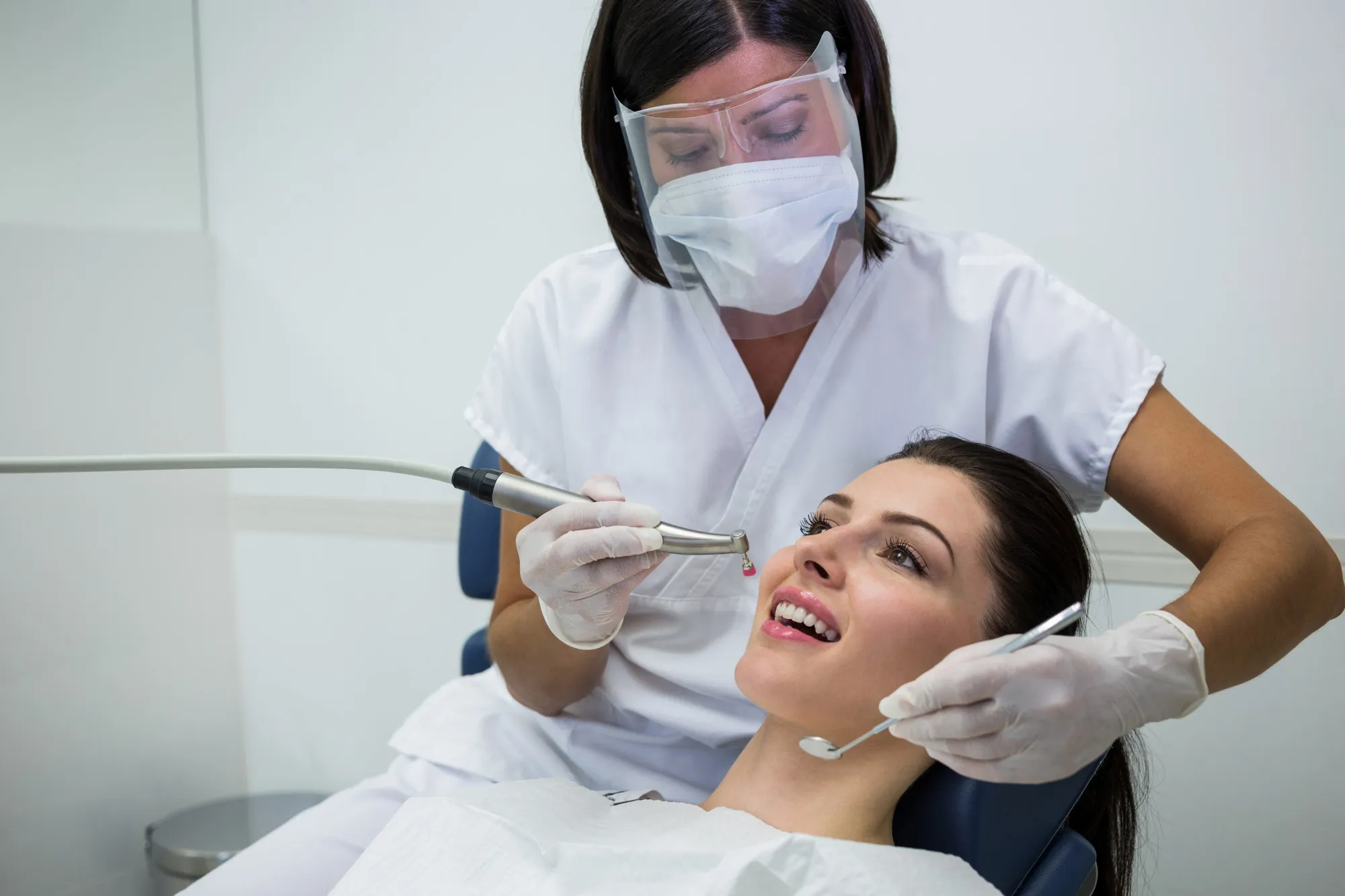
Are you looking for periodontal cleaning in Clearwater and noticing signs like bleeding gums, bad breath, or sensitive gums? These problems often develop slowly, and periodontal cleaning can help control gum disease before it gets worse.
Understanding periodontal cleaning and why it is needed can help keep your gums and teeth healthy and improve your overall mouth health through early care and treatment.
What Is Periodontal Cleaning?
Periodontal cleaning is a deeper dental cleaning designed to remove plaque, tartar, and bacteria from below the gumline. It is commonly recommended that gum disease be treated when it begins to affect the tissues supporting the teeth.
Unlike a regular cleaning, this treatment focuses on cleaning areas that cannot be reached through normal brushing and flossing.
The process helps:
- Reduce bacteria below the gums.
- Lower gum inflammation
- Prevent worsening gum disease.
- Improve gum attachment around teeth.
- Support long-term oral health.
Why Healthy Gums Matter
Healthy gums are vital, as they protect the teeth. Swollen, tender, or infected gums indicate the development of gum disease.
Gum issues may contribute to:
- Gums bleed when brushing.
- Gum retraction
- Constantly developing halitosis
- Loose teeth
- Chewing discomfort
Taking care of your teeth from an early age can help reduce these risks and improve mouth comfort.
Signs That Periodontal Cleaning May Be Needed
Some symptoms may suggest that deeper gum cleaning is necessary.
Common warning signs include:
- Red or swollen gums
- Bleeding during brushing or flossing
- Bad breath that does not improve
- Sensitive gums
- Teeth appear longer due to gum recession.
A dental evaluation at a dental office near you helps determine whether periodontal cleaning is the appropriate treatment.
Understanding the Deep Cleaning Process
The cleaning process is usually completed carefully in sections to improve comfort and effectiveness.
- Gum Examination: The gums are checked for infection, inflammation, and pocket depth around the teeth.
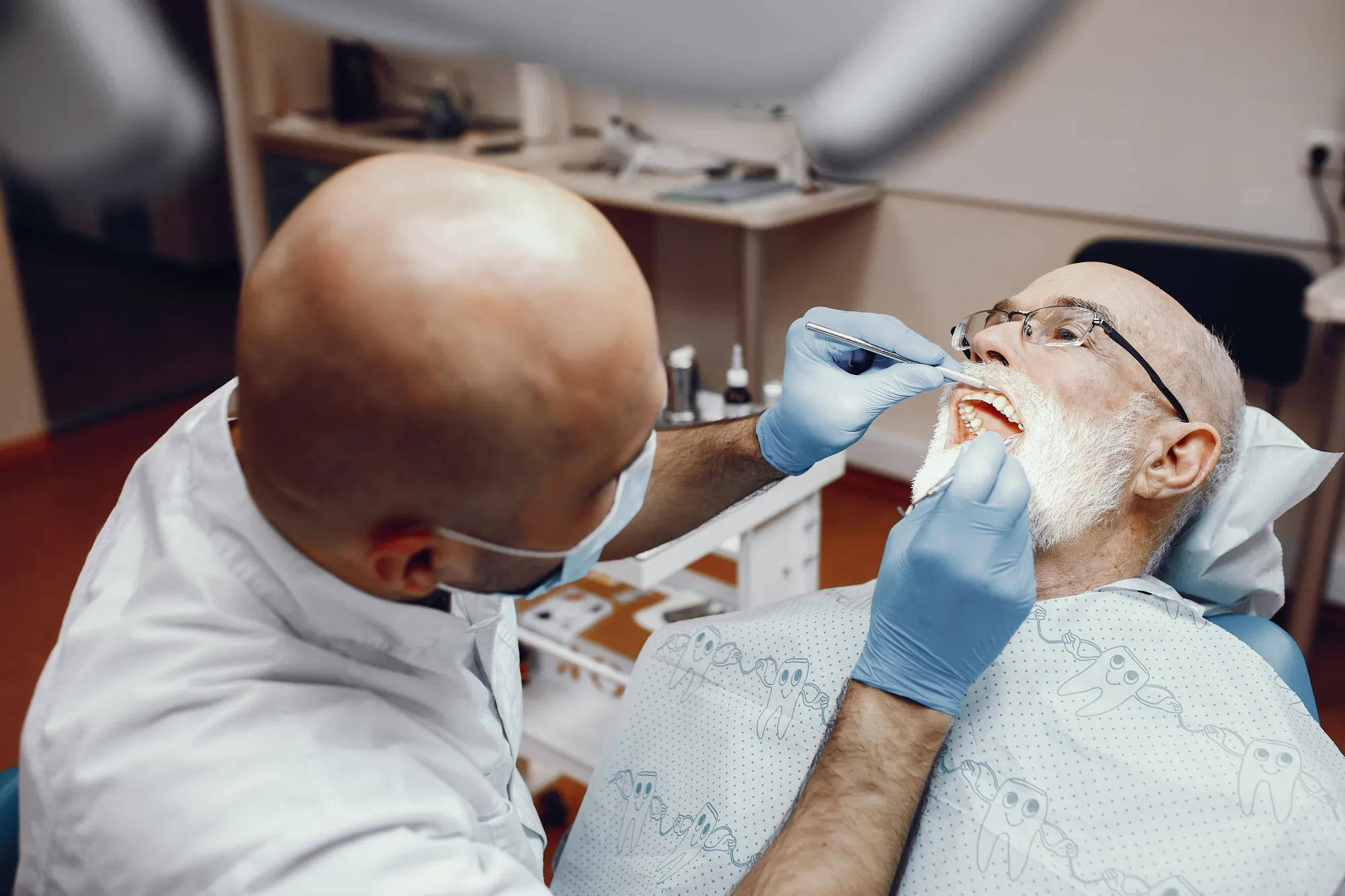
- Plaque and Tartar Removal: Special dental instruments remove hardened buildup below the gum line.
- Root Surface Cleaning: The tooth roots may be smoothed to help the gums heal and reattach more effectively.
- Final Rinse and Cleaning: The treated areas are cleaned thoroughly to remove bacteria and debris.
This process helps improve the condition of the gums and surrounding tissues.
Deep Cleaning Teeth Procedure Benefits and Recovery
Understanding the benefits and recovery of the deep cleaning teeth procedure can help patients feel more prepared for treatment.
Benefits may include:
- Healthier gums
- Reduced bleeding
- Fresher breath
- Lower risk of tooth loss
- Improved oral comfort
Recovery is usually mild. Some temporary sensitivity or soreness may occur for a few days after treatment.
Helpful recovery tips include:
- Brushing gently
- Drinking plenty of water
- Avoiding very hard foods briefly
- Following dental care instructions carefully
Why Early Treatment Helps
If you are looking for periodontal cleaning near you, it may mean you want to treat gum disease before it gets worse.
Early treatment can help:
- Prevent serious gum damage.
- Reduce swelling in the gums.
- Protect the bone that supports the teeth.
- Improve overall oral cleanliness.
- Lower the need for major future treatments.
Regular checkups also help keep track of gum health and healing over time.
Importance of Gum Evaluations
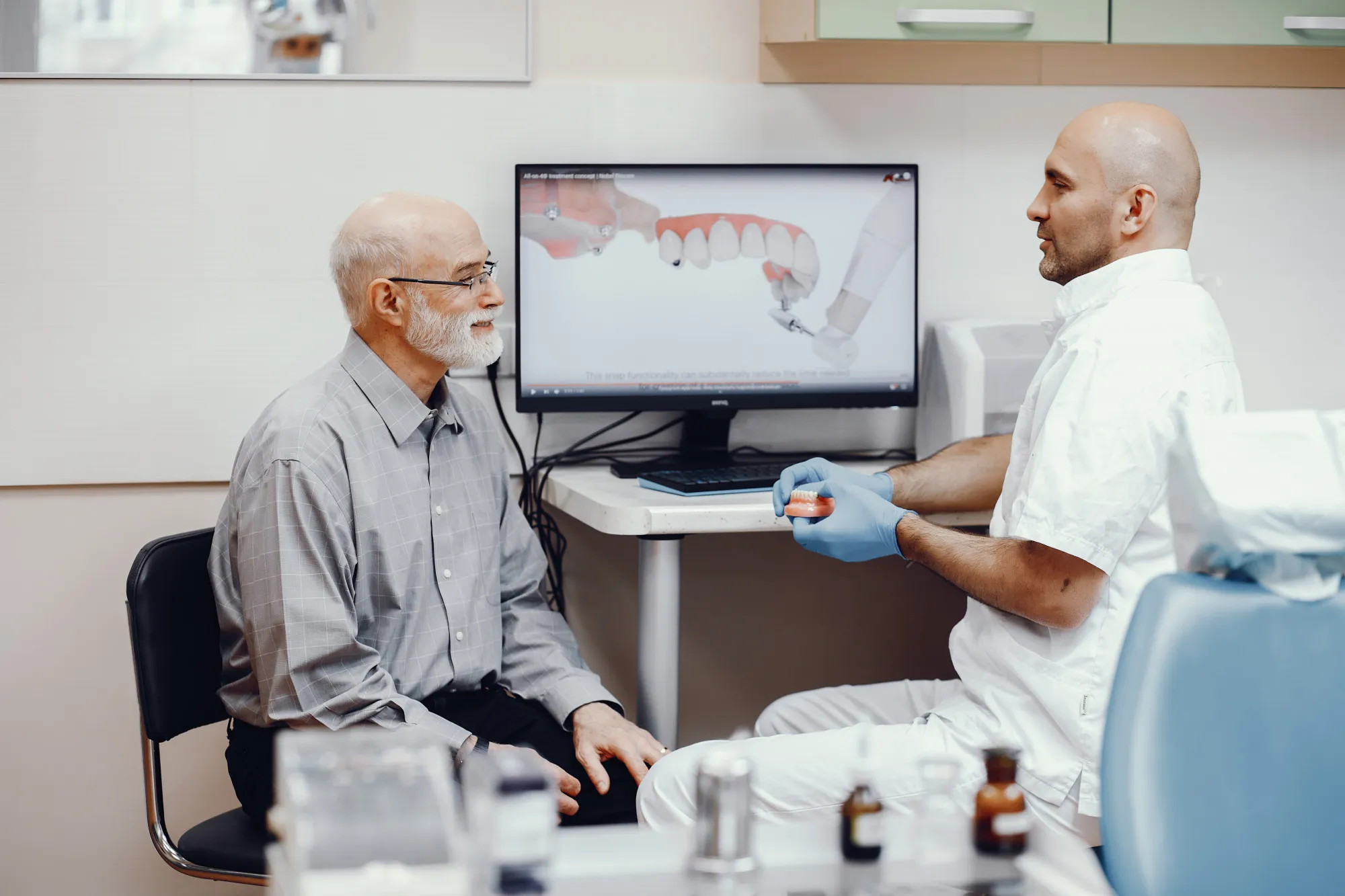
After assessing your gums for signs of infection or gum disease, a dentist in Clearwater may recommend a periodontal cleaning.
The evaluation may include.
- Assessing gum spaces.
- Looking for bleeding.
- Examine tartar buildup.
- Checking mouth care practice.
- Getting dental X-rays if necessary.
These actions help the expert develop a treatment plan based on the gum condition.
Daily Habits That Help Protect the Gums
Take care of your gums to stop gum disease from getting worse.
Good habits include:
- Brushing your teeth twice a day
- Flossing carefully every day
- Drinking more water
- Eating less sugary food and drinks
- Going for regular dental checkups
With regular care, your gums and teeth can stay healthy.
Can Gum Disease Return After Treatment?
Gum disease can recur if good oral care is not maintained after treatment.
To help prevent it from returning:
- Brush and floss every day
- Go for regular dental cleanings.
- Avoid tobacco products
- Follow the dentist’s advice.
- Watch for any changes in the gums.
Good gum health needs regular care and attention over time.
Don’t Ignore Gum Problems – Act Early for Better Oral Health!
Periodontal cleaning can prevent gum disease, improve gum health, and help prevent long-term damage to teeth. If you seek treatment early and go for regular dental visits, your gums will be healthier, and you will enjoy better oral health.
For personalized gum care, professional deep cleaning treatment, and long-term dental support, contact Jeffrey Ellenberg, DMD, PA today and book your appointment.
Looking for periodontal cleaning in Clearwater? Visit Jeffrey Ellenberg DMD PA for gum care and personalized periodontal treatment. Get directions today!
FAQs
What is the difference between regular cleaning and periodontal cleaning?
Regular cleaning removes plaque from the tooth surface, while periodontal cleaning focuses on cleaning below the gum line to manage gum disease.
Is periodontal cleaning painful?
Most patients remain comfortable during treatment because numbing methods are often used to reduce discomfort.
How long does it take to recover from periodontal cleaning?
Recovery is usually quick and mild. Many people start feeling better within a few days after the treatment.
How often do I need periodontal cleaning?
It depends on your gum health, how well you take care of your teeth, and how your gums respond after the treatment.