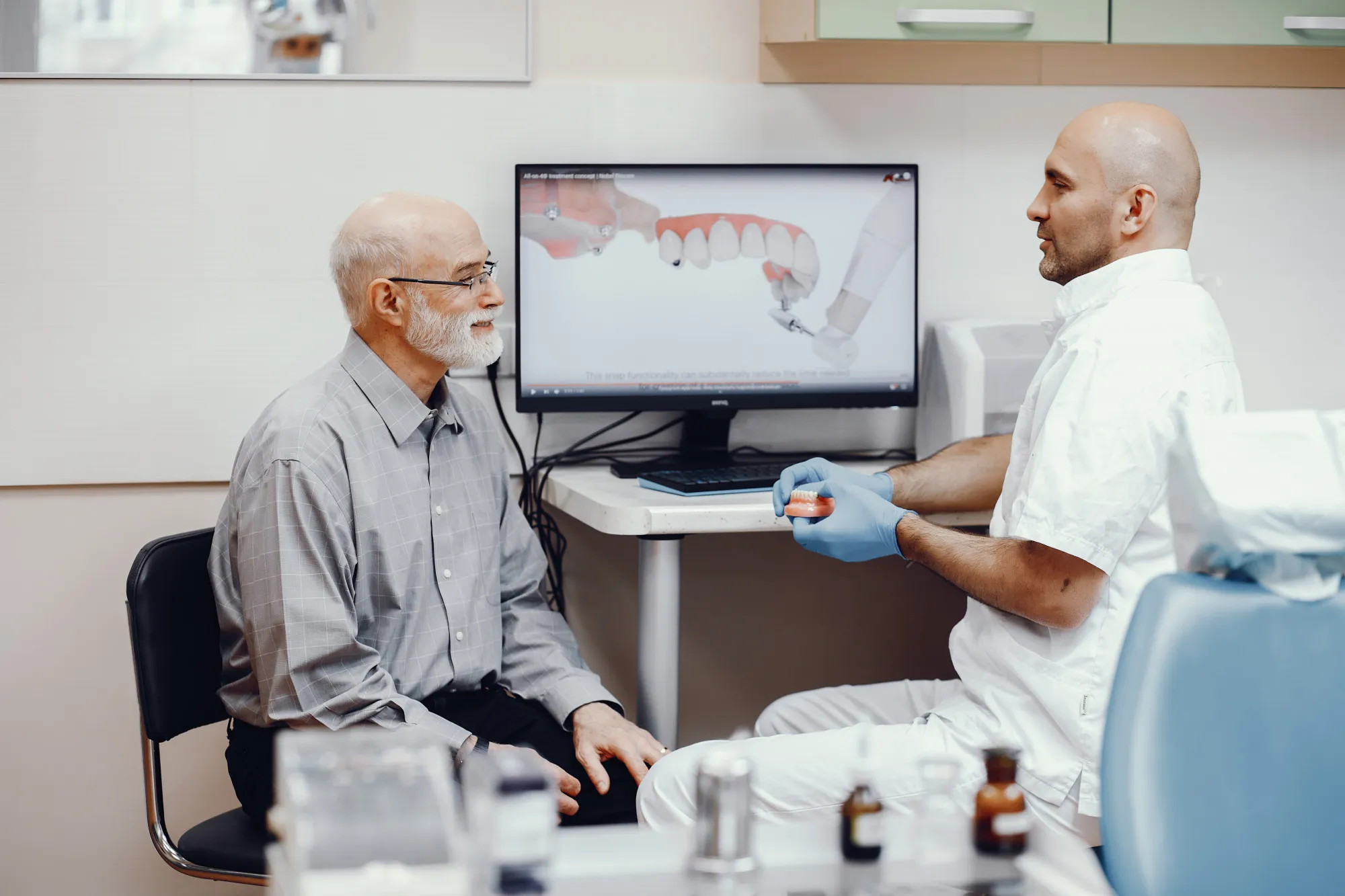
Losing one or more teeth changes how you eat, speak, and feel about your smile. A dental bridge in Clearwater is a popular solution that replaces missing teeth with a natural-looking replacement. Many people wonder what it will be like to eat and speak with a bridge.
Understanding what to expect helps you adjust faster and feel more confident. Talking to a dentist in Clearwater can answer your specific questions, but this guide covers everything you need to know about using your new bridge.
What Is a Dental Bridge?
A dental bridge is a false tooth held in place by the teeth on either side of the gap. The bridge literally bridges the space where your tooth is missing. Dental bridges near you are custom-made to match your natural teeth perfectly.
The false tooth sits on top of your gums. Your natural teeth on each side of the gap hold it in place. Once bonded in, a bridge feels and works like a real tooth.
Read further to know “eating and speaking with dental bridges what to expect”.
Adjusting to Eating with Your Bridge
When you first get your dental bridge in Clearwater, eating feels different. Your mouth is getting used to something new.
The First Week
Your mouth is healing during the first week, so stick to softer foods: soup, yogurt, mashed potatoes, scrambled eggs and smoothies. You need to get used to having the bridge, and you should avoid chewing on the same side of your mouth where the bridge has been placed.
Gradually Return to Normal Foods
Over the next few days, you will gradually be able to increase the range of harder foods: cooked vegetables, soft bread, fish and over one to two weeks, you will be able to return to all normal foods.
Foods to Avoid Long-Term
Even after you adjust, some foods are hard on bridges. Avoid very sticky foods like caramel or taffy. Skip hard and crunchy foods like nuts, popcorn, and hard candy. Do not bite into very tough foods. Cut meat into small pieces instead of biting directly into it.
Chewing Technique
Chew on both sides of your mouth. This spreads the pressure evenly. Do not chew directly on the bridge if possible. Use your back teeth to chew.
Speaking with Your Bridge
Many people worry that a bridge will change how they sound. The good news is that the adjustment is quick.
First Few Days
The bridge may feel awkward in your mouth at first. You might notice a slight lisp or feel like you are not pronouncing words clearly. This is completely normal.
Your Mouth Adapts Quickly
Within a few days to a week, your mouth adapts. Your tongue learns where the bridge is. Your speech returns to normal. Most people speak perfectly normally within two weeks.
Practice Helps
If you are concerned about your speech, practice speaking and reading out loud at home. The more you talk, the faster you adjust.
Benefits of Dental Bridges for Missing Teeth
The benefits of dental bridges for missing teeth extend beyond just replacing the tooth. They:
- Restore your ability to eat normally
- Help you speak clearly
- Keep your remaining teeth from shifting
- Restore your smile and confidence
- Look completely natural
- Over the last many years, with proper care
Caring for Your Bridge
To keep your bridge healthy, follow these simple steps:
- Brush gently around the bridge like you would natural teeth
- Floss under the bridge every day using special floss or a water flosser
- Avoid using the bridge as a tool to open packages
- Wear a night guard if you grind your teeth
- See your dental office near you regularly for check-ups
Your Adjustment Is Normal
With bridges, two to three weeks is normally sufficient for eating, talking, etc. The initial sensation of discomfort or strangeness soon passes, and your bridge will feel like just another part of your mouth.
Here at Jeffrey Ellenberg DMD PA, our gentle, competent staff can fabricate a beautiful, comfortable bridge. We are able to provide you with adjustment assistance and ensure that your bridge fits perfectly. Book an appointment now.
Get directions to Jeffrey Ellenberg DMD PA and visit our office for personalized dental bridge care.
Frequently Asked Questions
Q1. When will I feel normal eating with a bridge?
It usually takes 1-2 weeks to feel normal eating with a bridge. You should initially only eat softer foods and progressively move back to your normal diet as you feel able.
Q2. Will a bridge affect the way I speak?
You may notice a slight change for a few days, but your mouth adjusts quickly. Most people speak normally within one to two weeks.
Q3. What foods should I avoid after getting a bridge?
Avoid sticky foods like taffy, hard foods like nuts and popcorn, and very tough foods like chewy meat. Cut difficult foods into smaller pieces instead.
Q4. How can I care for my bridge to keep it in good condition?
Brush gently around it daily, floss underneath every day, avoid using it as a tool, and see your dentist regularly for check-ups and adjustments.