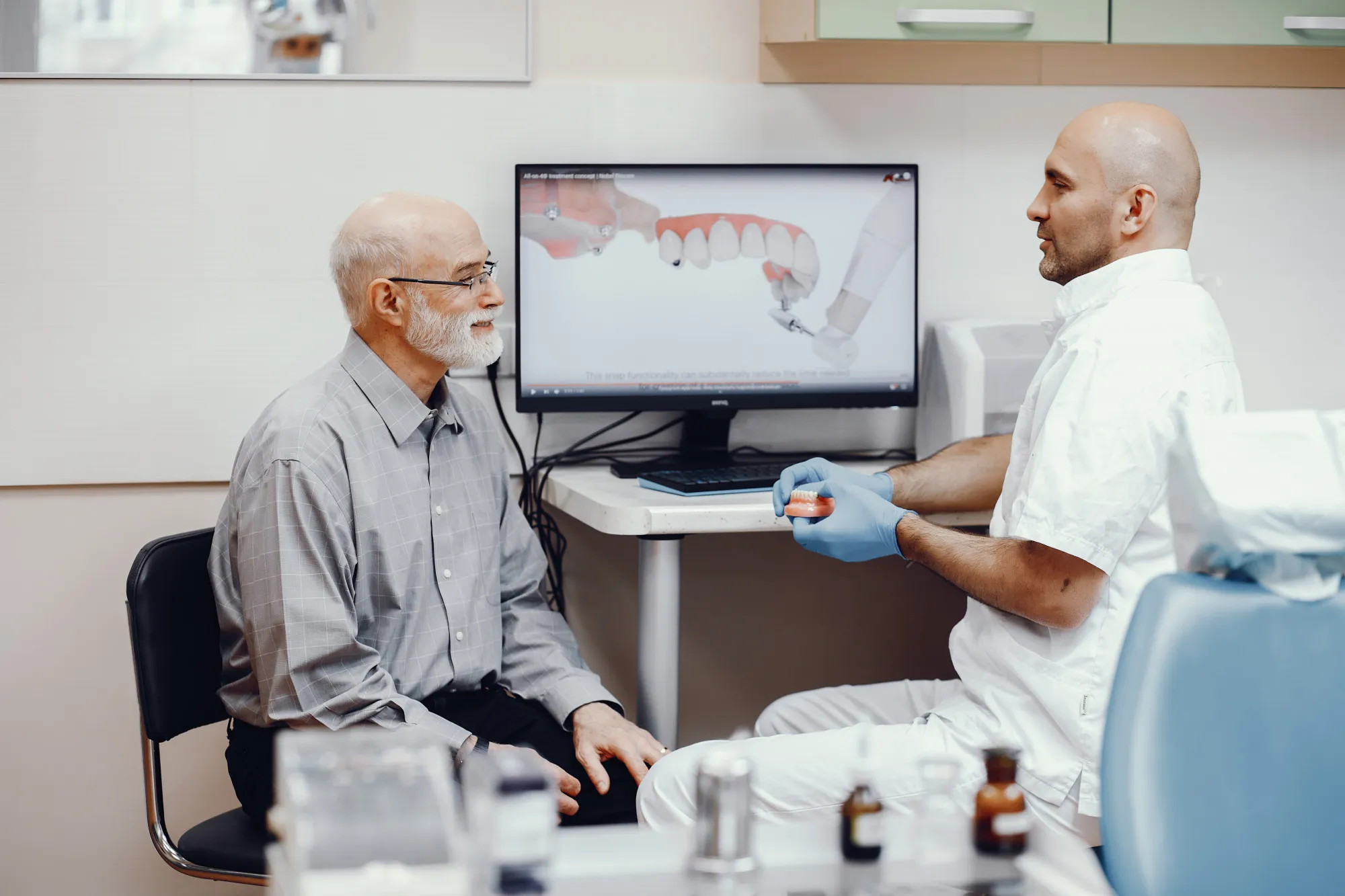
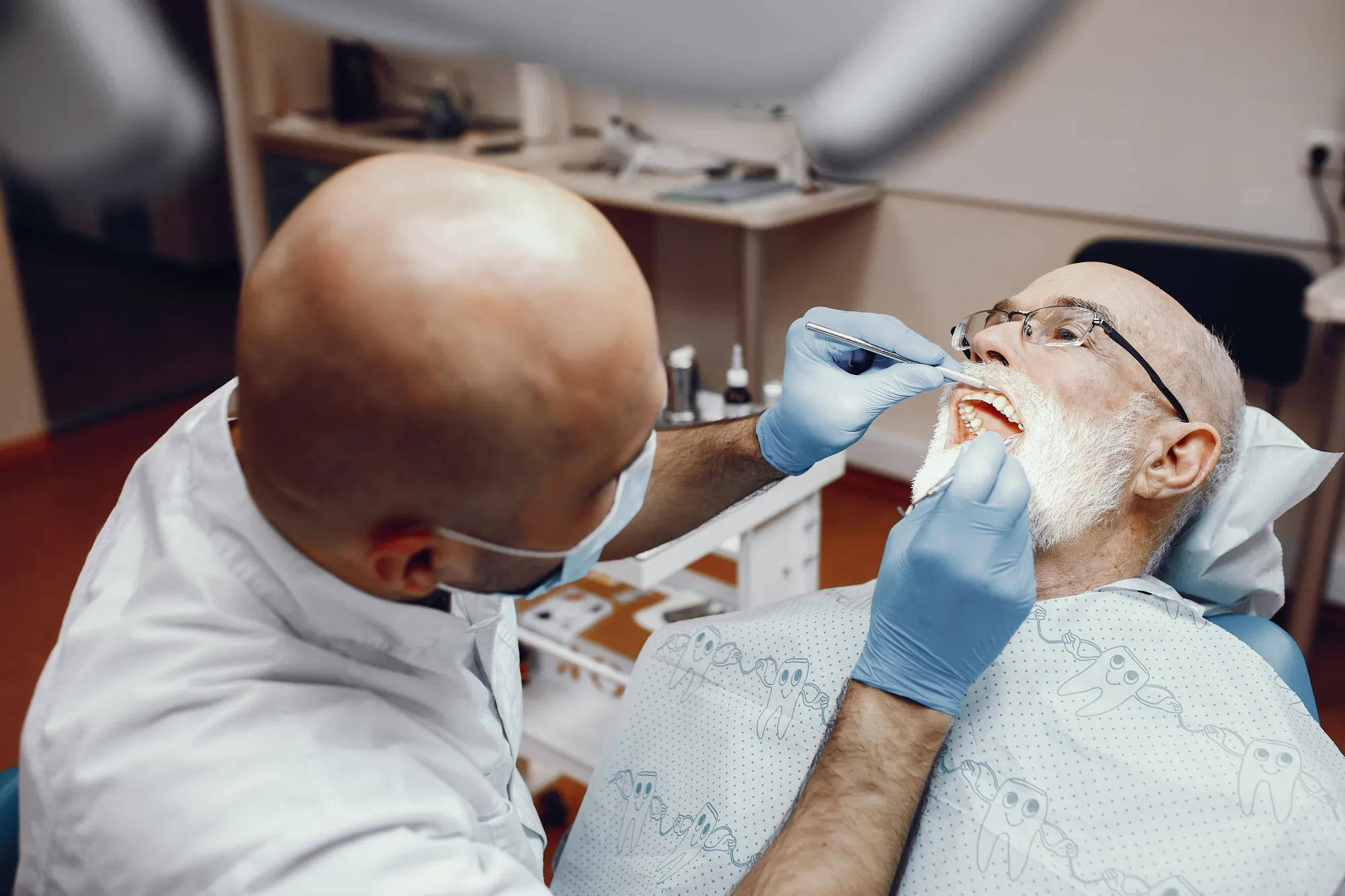
A dental crown is like a protective cap that your dentist puts over a tooth that’s broken or badly damaged. It’s shaped just like a real tooth and covers the whole tooth to make it strong again. Think of it as giving your tooth a second chance at life. Dental crowns in Clearwater help people keep their natural teeth instead of losing them. If you have a tooth that’s cracked, has a huge cavity, or is falling apart, a crown can save it and make it look natural again.
Losing a tooth changes everything in your life. It affects how you eat, how you talk, and how you feel when you smile. The good news is that a crown can help you avoid losing your tooth. Your natural tooth, even with a crown, is almost always better than getting a fake tooth later. Most people are glad they chose to save their tooth with a crown. Read this blog further to know how dental crowns restore damaged or weakened teeth.
What Exactly Is a Dental Crown?
A dental crown is made in a lab to fit your tooth perfectly. Your dentist shapes your damaged tooth, and then the lab technician creates a crown that matches it exactly. The crown looks like a real tooth because it is made to look like your other teeth. It’s tooth-coloured and fits naturally into your smile. Dental crowns near you can be made from different materials, and your dentist will help you pick the best one for your tooth.
Imagine a crown like a tiny jacket for your tooth. It wraps all the way around your damaged tooth and protects it. It stops your tooth from getting worse and makes it strong enough to chew food again. Without a crown, a cracked tooth keeps breaking down more and more. But with a crown, your tooth is protected and can last for many more years, which is one of the benefits of dental crowns for damaged teeth.
When Does Your Tooth Really Need a Crown?
Your Tooth Has a Really Big Cavity
Sometimes a cavity gets so large that a simple filling won’t hold. When more than half of your tooth has rotted away, a crown is the right choice. A dentist in Clearwater will look at your tooth and tell you if you need a crown or just a filling.
Your Tooth Is Cracked or Broken
Teeth crack when you fall, get hit, or chew on something very hard. A crack that goes deep into your tooth needs a crown to hold it together. If you don’t get a crown, the crack will get bigger and bigger until your tooth breaks completely and falls out.
Your Tooth Had a Root Canal
A root canal saves a tooth when there’s a bad infection deep inside the tooth. But after a root canal, that tooth becomes dry and weak inside. A crown protects that weak tooth and helps it last for many years.
Your Teeth Are Worn Down From Grinding
Some people grind their teeth at night without knowing it. Over many years, this grinding wears the teeth down until they’re flat and weak. A crown rebuilds that worn-down tooth and protects it from more grinding damage.
Your Tooth Needs Extra Support
Some teeth are just naturally weak or small. These teeth need help to handle the force of chewing. A crown gives weak teeth the support they need to work like normal teeth.
How Does a Crown Actually Restore Your Tooth?
It Makes Your Weak Tooth Strong
A damaged tooth cannot handle normal chewing force. The tooth gets weaker and weaker. A crown spreads the chewing force across the whole tooth, just like your other healthy teeth. Now your tooth can chew food without breaking more.
It Seals Out Bacteria and Infection
When a tooth is cracked, germs and bacteria can sneak deep inside. This causes infection and pain. A crown fits tightly around your tooth like a waterproof seal. It keeps bacteria out and keeps your tooth safe from infection.
It Fixes Your Bite
When one tooth is damaged, your other teeth have to work much harder. They do extra work because that one tooth isn’t pulling its weight. A crown makes that damaged tooth work normally again. This takes stress off all your other teeth and makes your whole mouth healthier.
It Brings Back Your Natural Smile
A crown looks exactly like a real tooth. It matches your other teeth in colour, shape, and size. Many people forget which tooth has the crown because it looks so natural. You can smile and laugh without feeling embarrassed about your tooth.
Different Types of Crowns for Different Needs
| Crown Type | What It’s Made From | How Long It Lasts | Best For |
| Porcelain | Tooth-coloured ceramic material | 10-15 years | Front teeth where looks matter |
| Gold | Real gold metal | 20+ years | Back teeth where strength matters most |
| Porcelain fused to metal | White ceramic over metal base | 10-15 years | Any tooth that is strong and looks good |
| All-ceramic | Tooth-coloured ceramic throughout | 10-15 years | People who want a natural appearance |
| Resin | Plastic material | 5-7 years | Temporary crowns or budget option |
The Steps to Getting Your Crown
Getting a crown takes two visits to the dental office near you, and both visits are simple and pain-free.
First Visit
Your dentist numbs your tooth so you don’t feel pain. Then they remove all the damaged parts of your tooth. They shape what’s left so the crown will fit perfectly. Your dentist takes a mould of your tooth shape. This mould is sent to a lab where your permanent crown is made. For now, you get a temporary crown that protects your tooth while you wait. This visit usually takes about one hour.
Second Visit
A couple of weeks later, you come back for your permanent crown. Your dentist removes the temporary crown and cleans your tooth. The dentist checks that your permanent crown fits perfectly. If it fits well, they glue it on with special dental cement. This visit usually takes about 30 minutes. Now your tooth is restored and protected.
How to Take Care of Your Crown So It Lasts
Your crown needs the same care as your natural teeth. Brush your teeth twice a day with a soft toothbrush. Floss every single day, being careful around your crown. Visit your dentist for checkups twice a year. Don’t chew on hard things like ice, hard candy, or bones because this can damage your crown. If you grind your teeth at night, ask your dentist about a nightguard. A crown can last 10 to 15 years or longer if you take good care of it.
The Real Cost of Losing a Tooth
Losing a tooth is much more expensive and complicated than getting a crown. If you lose a tooth, you might need a bridge, an implant, or dentures. All of these cost more money than a crown. Plus, losing a tooth changes how your face looks and how your remaining teeth work. Your mouth was designed to have all of your teeth. When one is missing, the other teeth start to shift and move. This creates new problems over time.
Why Saving Your Tooth Is the Smart Choice
Your natural teeth are irreplaceable and extremely valuable. When you lose the tooth naturally, it is gone forever. A crown maintains the integrity of your natural tooth while preserving your natural smile. With this solution, you can chew food, speak, and smile as you did before. When offered the choice between losing a tooth and getting a crown, getting a crown is almost always the better option.
A dental crown shields your tooth and ensures it remains functional. If you currently have a damaged or weakened tooth, a crown can help prevent bigger problems later on.
Your Smile Is Worth Protecting
Jeffrey Ellenberg DMD PA understand that dentistry can be stressful, and caring dentists like them want to make you comfortable and understood. Our team can help with any cracked, cavity-ridden, or root canal-weakened teeth, as we have both the expertise and experience in the field. If you are worried that a tooth might be damaged and are wondering whether a crown might help, then contacting us for a consultation is a smart first step. Your smile is worth so much, and with professional care today, you may be able to avoid pain and bigger problems later.
Get directions to Jeffrey Ellenberg DMD PA and visit our office for dental crowns and restorative care for damaged or weakened teeth.
Frequently Asked Questions
Q: What are dental crowns, and when are they needed?
A: A dental crown is a tooth-shaped cap that your dentist places over a damaged tooth to make it strong and beautiful again, and you need one when a tooth is too damaged for a regular filling to work.
Q: Can dental crowns restore severely damaged teeth?
A: Yes, dental crowns can restore even very badly damaged teeth by covering all the damaged parts and making your tooth strong and functional so you can use it normally again.
Q: What is the longevity of dental crowns?
A: Most dental crowns can last anywhere from 10 to 15 years. In fact, some crowns made of gold can last 20 years or even longer if you take care of them and visit the dentist regularly.
Q: What is the function of dental crowns?
A: Dental crowns are used for root canal teeth, broken teeth, and weak teeth. They are quite beneficial in most cases and thus have been mentioned below.