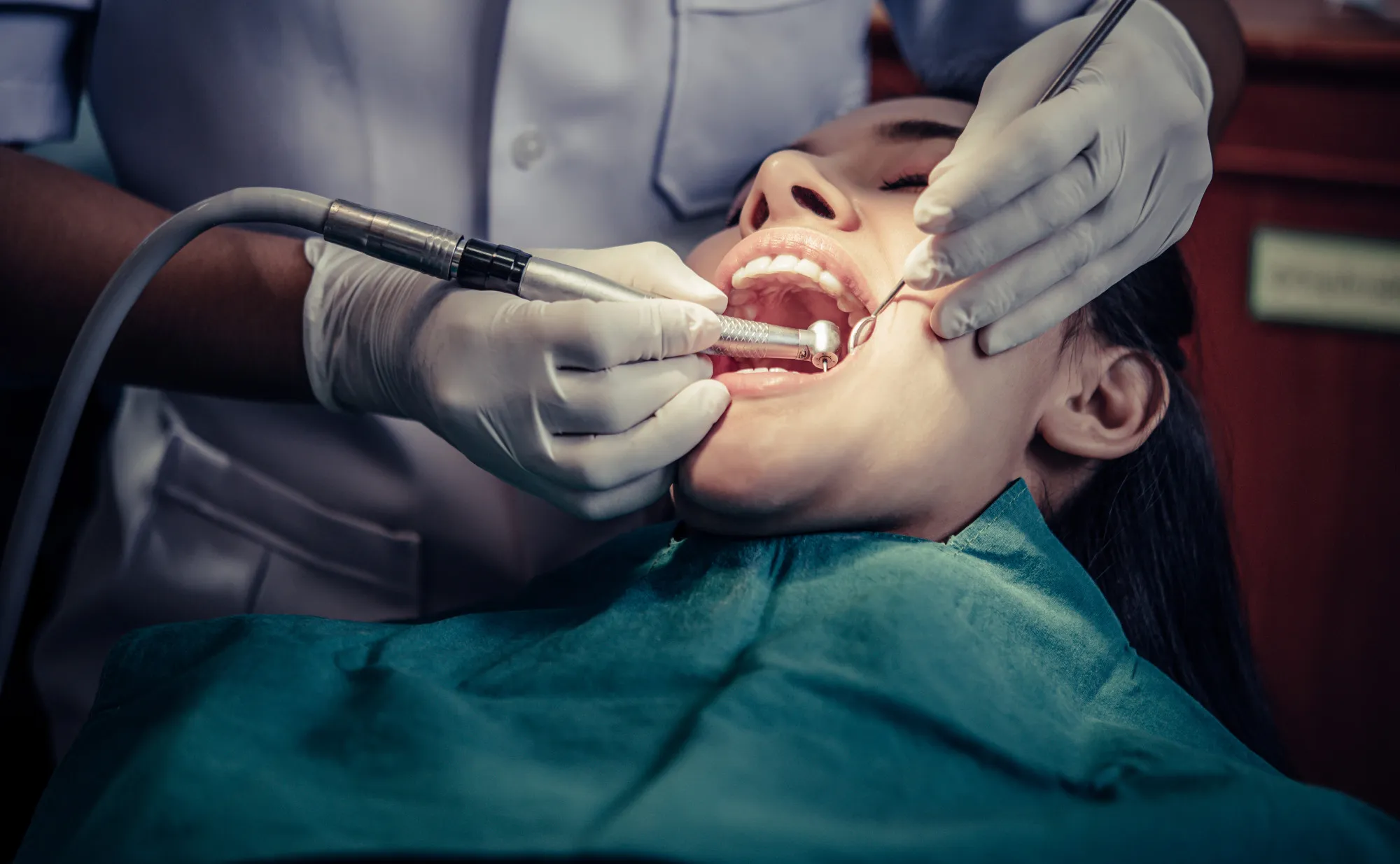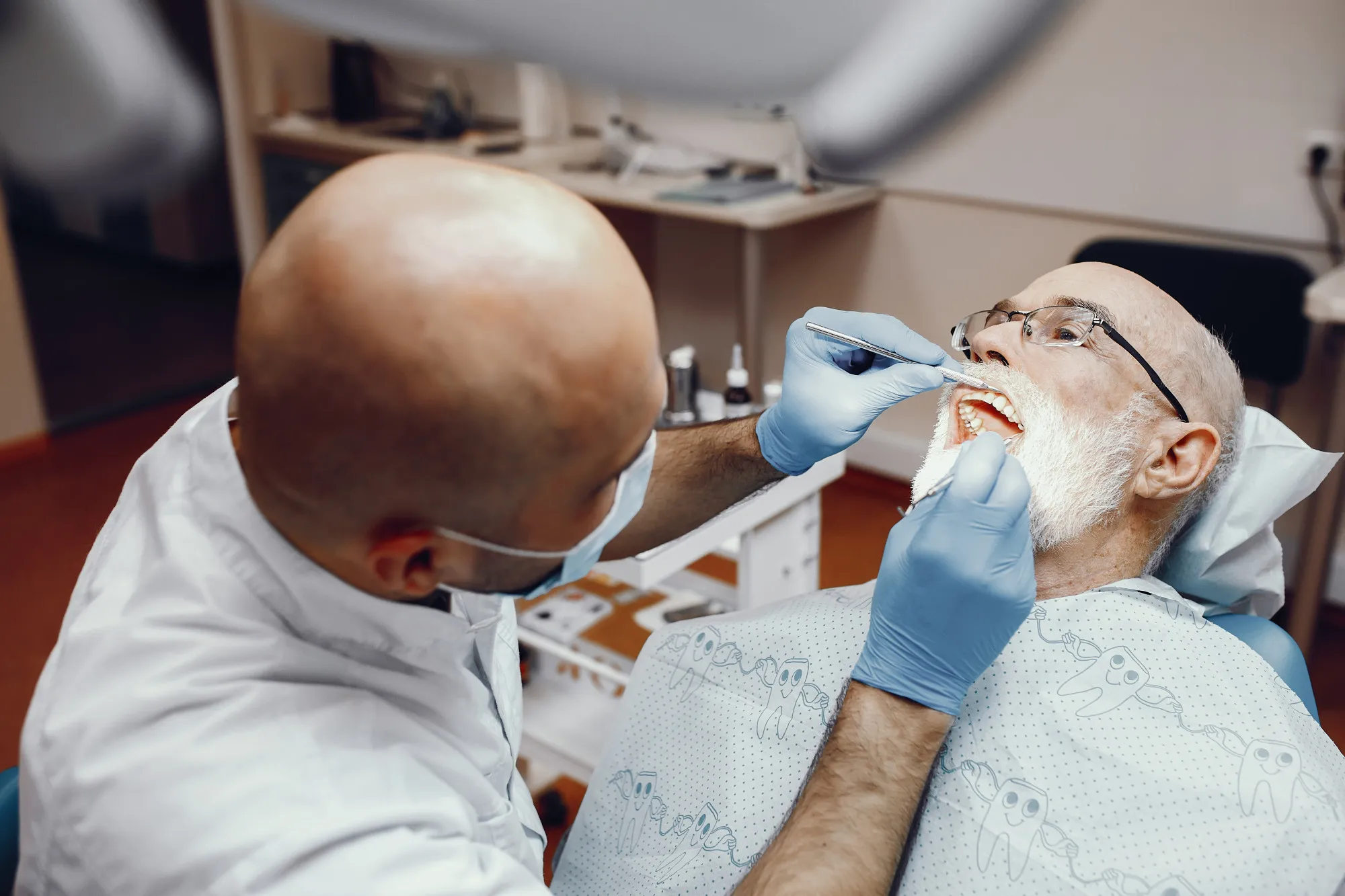

Loose teeth caused by gum disease may sometimes be saved with proper treatment. A periodontal splint joins loose teeth to stronger teeth beside them. This helps keep them steady when you chew. However, a splint does not treat gum disease or replace lost bone. The results depend on how much support is left around the teeth and whether the infection can be controlled. A periodontal splint in Clearwater may be an option after your dentist checks your gums and determines whether your teeth need extra support.
Gum disease can damage the gums and bone that hold your teeth in place. This can make your teeth loose or move when you bite. Early treatment can help prevent further damage and tooth loss. A dentist can examine your teeth and recommend the appropriate treatment.
What Is a Periodontal Splint?
A periodontal splint is a dental device that connects loose teeth to the stronger teeth adjacent to them. It helps spread the pressure when you bite or chew, so one loose tooth does not take all the pressure on its own.
Depending on the teeth and their condition, a splint may use:
- Tooth-coloured bonding material.
- A thin fibre strip placed behind the teeth.
- A small dental wire attached to several teeth.
The material is usually placed along the back or side of the teeth, so it is less noticeable when smiling. The main purpose is to improve stability and make everyday activities, such as eating and speaking, more comfortable.
Can a Periodontal Splint Save Teeth Loosened by Gum Disease?
In some cases, yes. A periodontal splint for loose teeth can help keep teeth in position when enough healthy support remains. However, it cannot bring back bone that has already been lost.
Before suggesting a splint, the dentist checks:
- How much bone is holding each tooth in place.
- Whether the gums are still swollen or infected.
- How loose the teeth are.
- Whether the nearby teeth are strong enough to support them.
- Whether too much pressure is placed on the loose teeth when biting.
If you have active gum disease, the dentist will usually treat the infection first. This may include deep cleaning under the gums and regular gum checkups. After the infection is under control, a splint may be used to provide extra support to the loose teeth.
How to Stabilize Loose Teeth From Gum Disease
Stabilizing loose teeth requires more than connecting them to stronger teeth. The cause of the looseness must also be managed.
Treatment may include:
1. Deep Cleaning
A deep dental cleaning removes plaque and tartar from below the gum line. This helps remove germs that cause gum swelling and damage.
2. Periodontal Splinting
After the gums are treated, a splint may be used to join loose teeth to nearby stronger teeth. This helps keep the loose teeth steady while chewing.
3. Bite Adjustment
If some teeth are under too much pressure when you bite, the dentist may make small adjustments to balance the pressure. This can reduce stress on weak teeth.
4. Regular Gum Care
Regular dental cleanings, proper brushing, daily flossing, and gum checkups help control gum disease and protect the remaining teeth.
When Is a Periodontal Splint Not Enough?
A splint may not be suitable for every loose tooth. If a tooth has lost too much supporting bone, has severe damage, or cannot be kept clean, connecting it to nearby teeth may not provide a lasting solution.
A periodontal splint near you can be discussed during an examination to understand whether the remaining teeth can support the splint. In some cases, removing a severely damaged or unsupported tooth may be the safer option.
How Long Does a Periodontal Splint Last?
How long a splint lasts depends on the material used, biting pressure, dental care, and the health of the teeth supporting it. Some splints can last for years, while others may become loose, break, or need repairs sooner.
To take care of your splint:
- Brush gently around the teeth joined by the splint.
- Clean between your teeth using tools suggested by your dentist.
- Avoid biting hard foods with the treated teeth.
- Visit a dental office near you regularly to have your gums checked.
- Tell your dentist if the splint feels loose, causes pain, or gets damaged.
A dentist in Clearwater can check your splint during regular visits and fix it if needed.
Get the Right Support for Loose Teeth!
Loose teeth can affect eating, speaking, and everyday comfort, but early care may help protect the remaining teeth. A careful gum examination can show whether infection treatment, splinting, or another option is needed. Contact Jeffrey Ellenberg, DMD, PA, to arrange an assessment and discuss a suitable plan to improve tooth stability and support your gum health.
FAQs
What is a periodontal splint, and how does it help loose teeth?
A periodontal splint joins loose teeth to stronger teeth next to them. It helps keep loose teeth steady and distribute pressure when you bite or chew.
Can a periodontal splint save teeth that have been loosened by gum disease?
It may help when enough supporting bone remains, and gum disease is under control. However, it cannot restore lost bone or guarantee that a loose tooth will remain in place.
How long does a periodontal splint last?
A periodontal splint can last for several years with proper care. However, this depends on how well you look after it. Regular dental visits help the dentist check if it needs repair or replacement.
Is getting a periodontal splint painful?
The treatment is usually comfortable and does not involve major dental work. You may feel some pressure or mild tooth sensitivity for a short time.