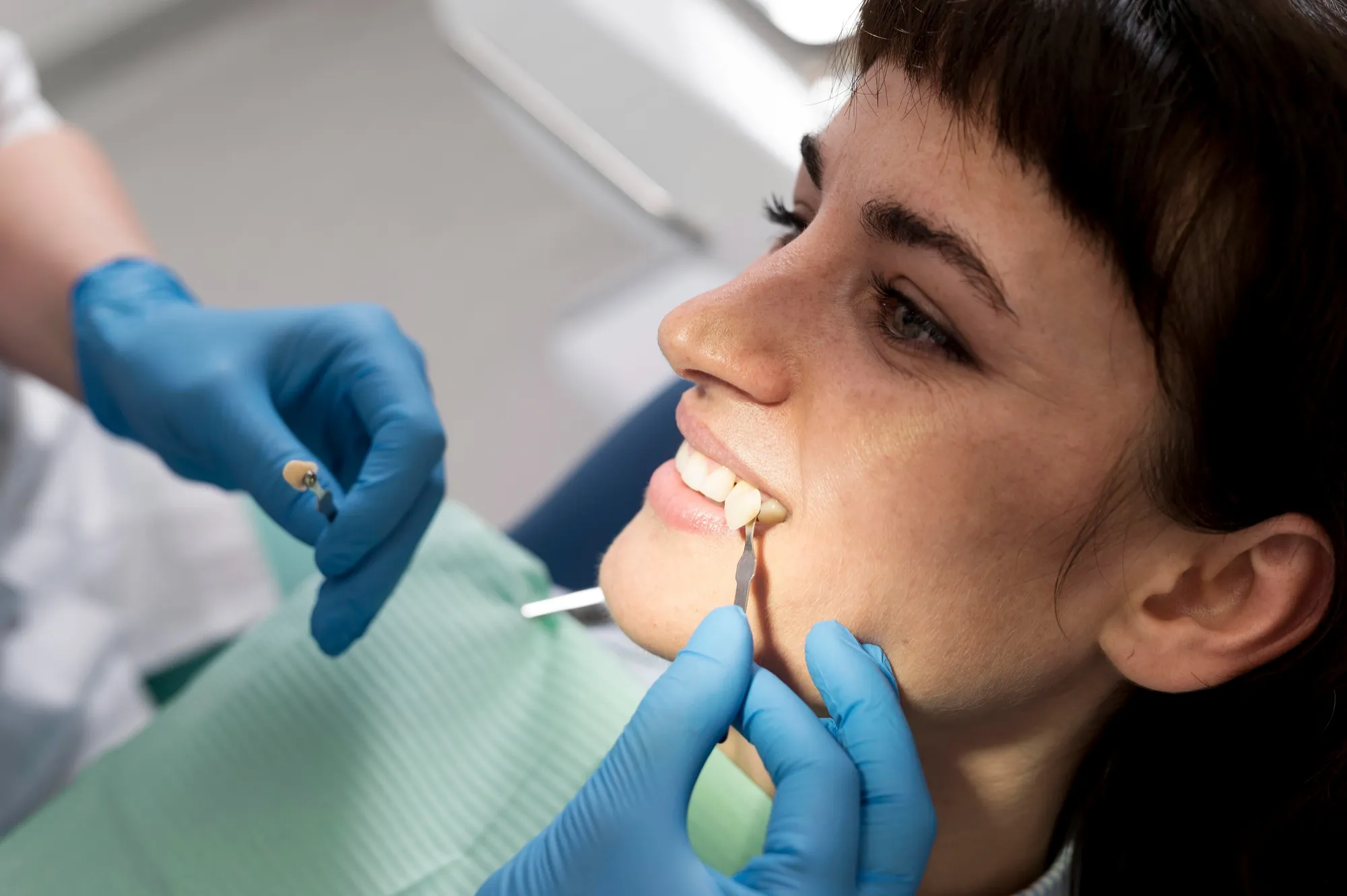
Cavities can develop quickly in the deep grooves of the back teeth, especially for kids and adults with hard-to-clean molars.
Choosing pit and fissure sealant in Clearwater is one of the simplest ways to protect these vulnerable areas and reduce the risk of decay over time.
Sealants act as a protective shield, making brushing easier and keeping plaque out of deep grooves.
What Are Dental Sealants?
Dental Sealants are thin and protective coating which is applied on the chewing surface of the molar and premolars.
They are designed to block food and bacteria from getting trapped in the grooves, where brushing is often not enough.
Once applied, sealants create a smooth, easy-to-clean surface that lowers cavity risk.
Who Can Benefit From Sealants?
Children, teens, and adults with deep grooves in their back teeth can benefit from sealants. For younger patients, especially, sealants help stop cavities before they start.
Parents often seek pit and fissure sealant near you as a preventive measure during routine dental visits.
Why Sealants Matter for Oral Health
Back teeth have natural pits and fissures, which make them more prone to decay – that’s when Sealants add a layer of protection, making oral hygiene more effective.
Sealants help patients avoid fillings, dental pain, and more invasive treatments later on.
Benefits for Younger Patients
Parents often want to protect their kids’ teeth from early decay. Many look for professional care from a dentist in Clearwater who offers preventive treatments that ensure long-term oral health.
For kids with deep grooves, sealants reduce the chance of developing cavities early in life.
Top Benefits of Sealants for Children
One of the major advantages of sealants is preventing decay during a child’s most cavity-prone years.
By understanding the benefits of pit and fissure sealants for children, parents can make the right decisions about their child’s preventive care.
There are several key benefits of Sealants that children can experience, some of them are as under:
- Protecting newly erupted permanent molars
- Reducing the need for early fillings
- Supporting better oral hygiene
- Offering long-term cavity protection
How Sealants Are Applied
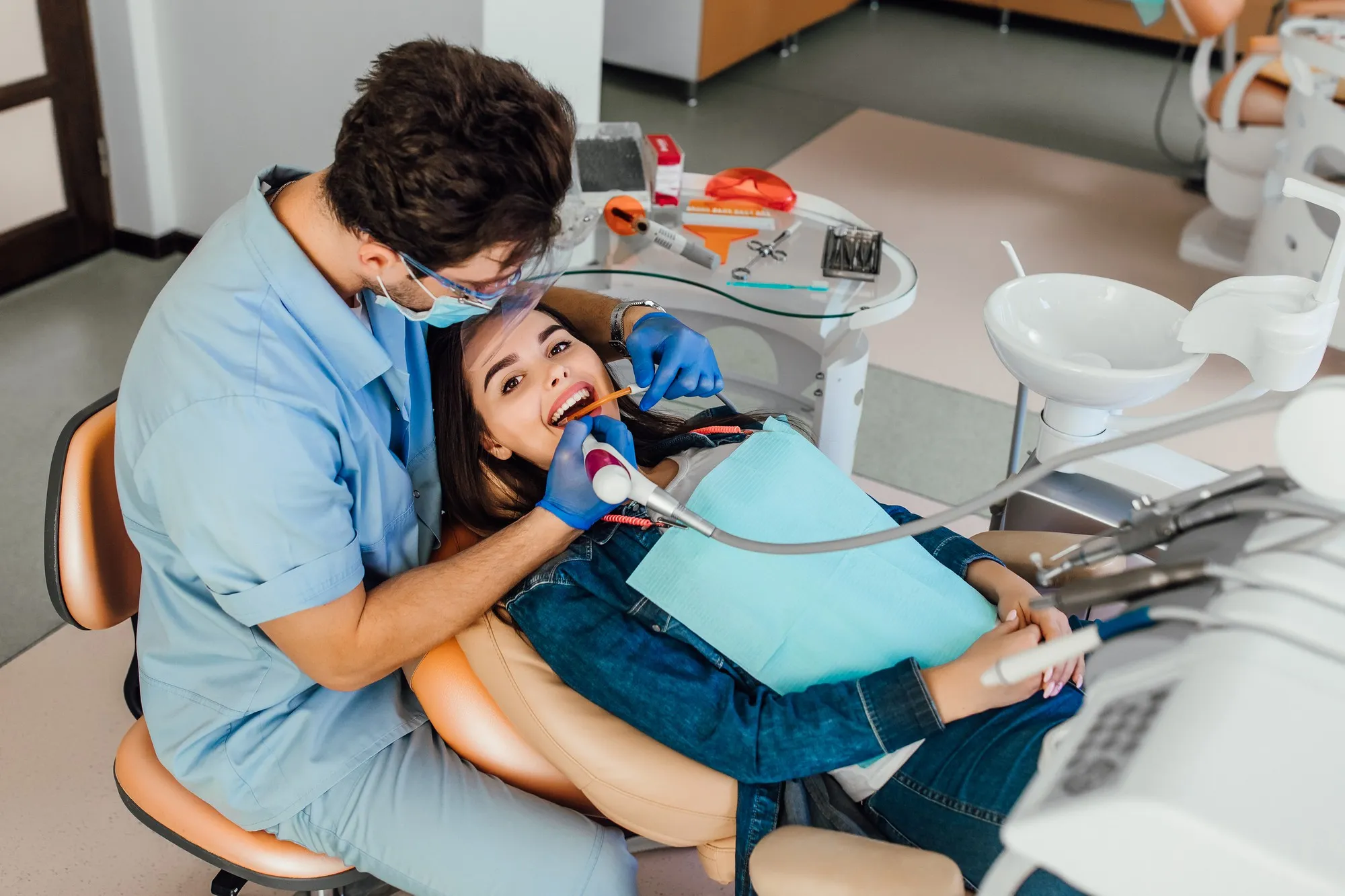
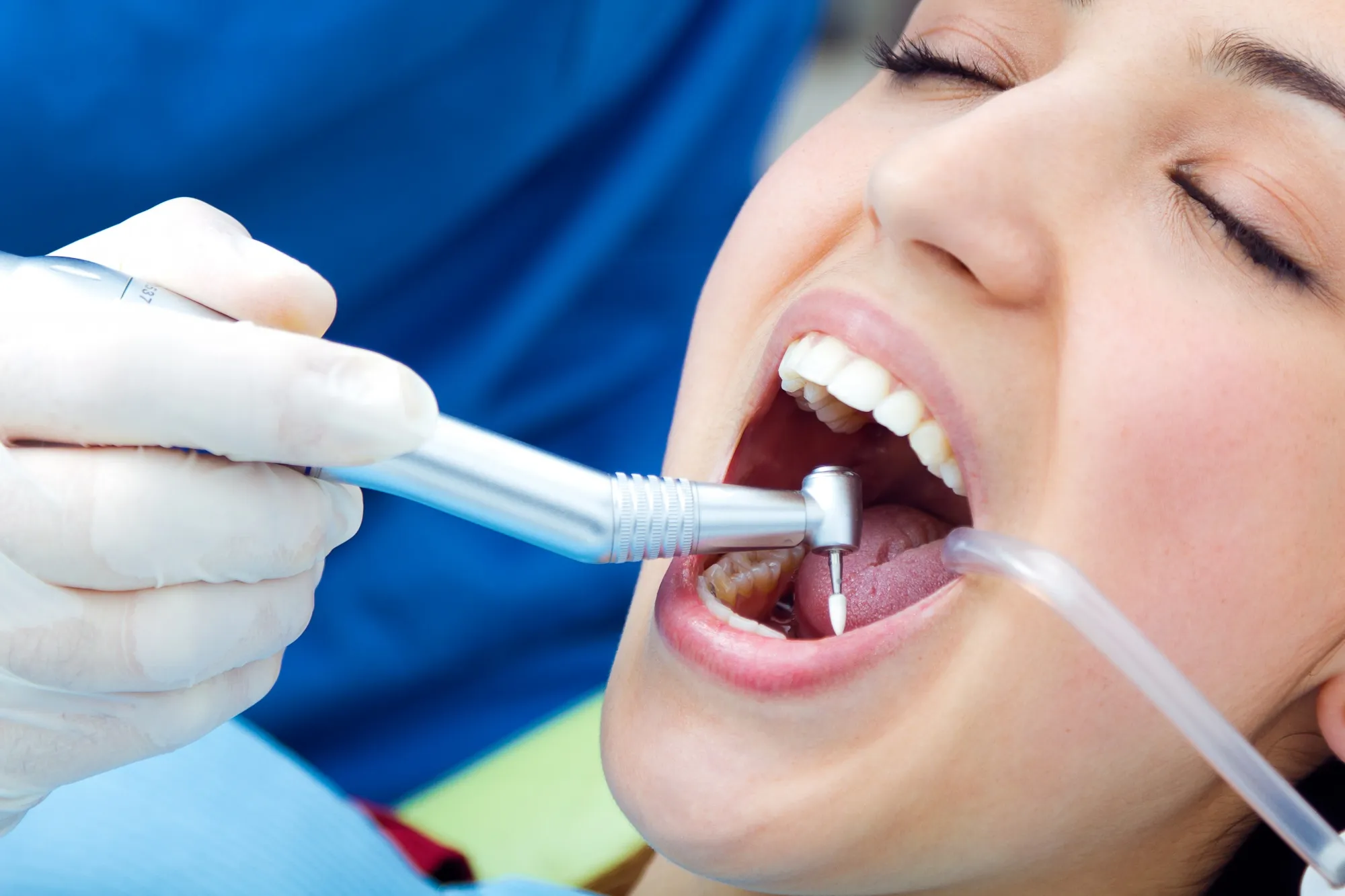
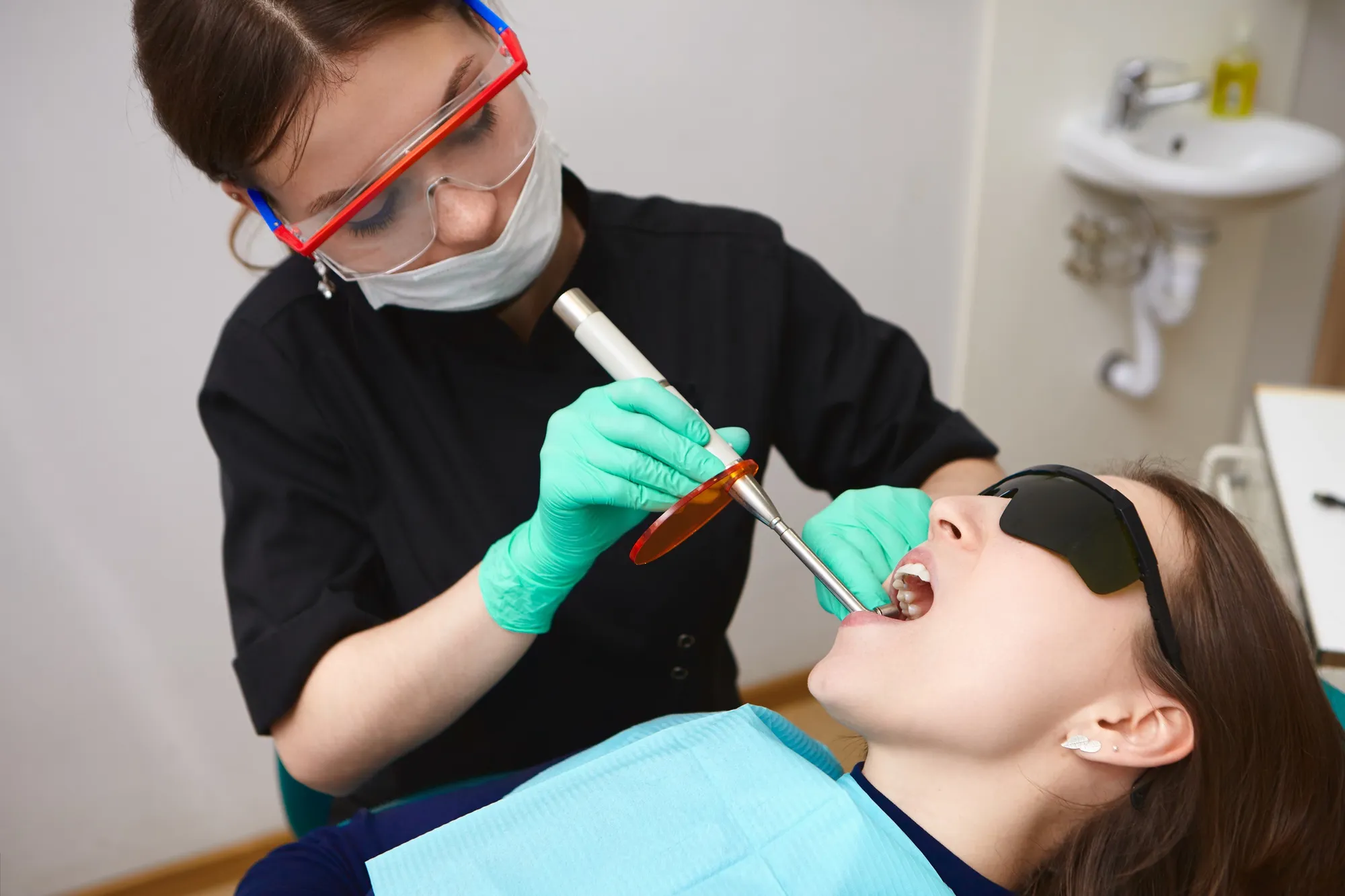
The procedure is simple, painless, and quick. It involves cleaning the tooth, preparing the surface with a gentle gel, applying the sealant material, and curing it with a special blue light.
Patients often schedule sealants during routine checkups at a dental clinic near you.
How Long Sealants Last
Longevity depends on diet, chewing habits, and oral hygiene. Dentists often get asked, how long do dental sealants last on teeth, and the answer is typically several years with proper care.
They can be reapplied if they wear down over time.
Sealants for Kids vs. Adults
| Feature | Children | Adults |
| Cavity risk | Higher due to new permanent teeth | Moderate depending on oral hygiene |
| Sealant benefit level | Very high | High for deep grooves |
| Ideal timing | When permanent molars erupt | Any time decay risk is present |
| Maintenance | Regular checks during exams | Same as kids |
Wrapping Up!
Dental Sealants are effective, affordable and a preventive step for both kids and adults.
If you are looking for long-term protection and healthier teeth, sealants provide the best solution with minimal effort.
Book your appointment with our team at Jeffrey Ellenberg DMD PA today to learn how sealants can help safeguard your family’s oral health.
Get Directions to Our Clearwater Dental Clinic : Jeffrey Ellenberg DMD PA
FAQs
What are pit and fissure sealants used for?
Pit and fissure sealants help protect the chewing surface of the back teeth by sealing the grooves and preventing them from developing cavities.
How long do dental sealants typically last?
They usually last several years but may be reapplied as needed.
Are dental sealants safe for children and adults?
Absolutely, dental sealants are safe, non-invasive, and recommended by dental professionals.
Can dental sealants prevent all types of tooth decay?
No, but they significantly reduce cavity risk in the grooves of back teeth.