Tiny grooves on the chewing surface of back teeth can trap food and germs. These grooves are called pits and fissures. They are hard to clean with a toothbrush, especially for children. A Clearwater dentist may suggest sealants to protect these areas and lower the chance of cavities.
Sealants are thin layers placed on top of the back teeth. They block food and germs from getting stuck. A provider offering pit and fissure sealant near you can apply them in just one visit.
Why Do Back Teeth Need Extra Protection?
Back teeth have deep grooves that are hard to reach. Even with brushing, food can stay stuck in these areas. Over time, this can lead to decay.
Sealants create a smooth layer that blocks food and germs from sticking, helping to keep the teeth healthy.
Who Can Benefit From Sealants?
Children and teens often get sealants because their new teeth are more likely to get cavities. Adults with deep grooves can also benefit.
A provider offering pit and fissure sealant in Clearwater can check if your child or teen needs sealants during a regular visit.
How Are Sealants Applied?
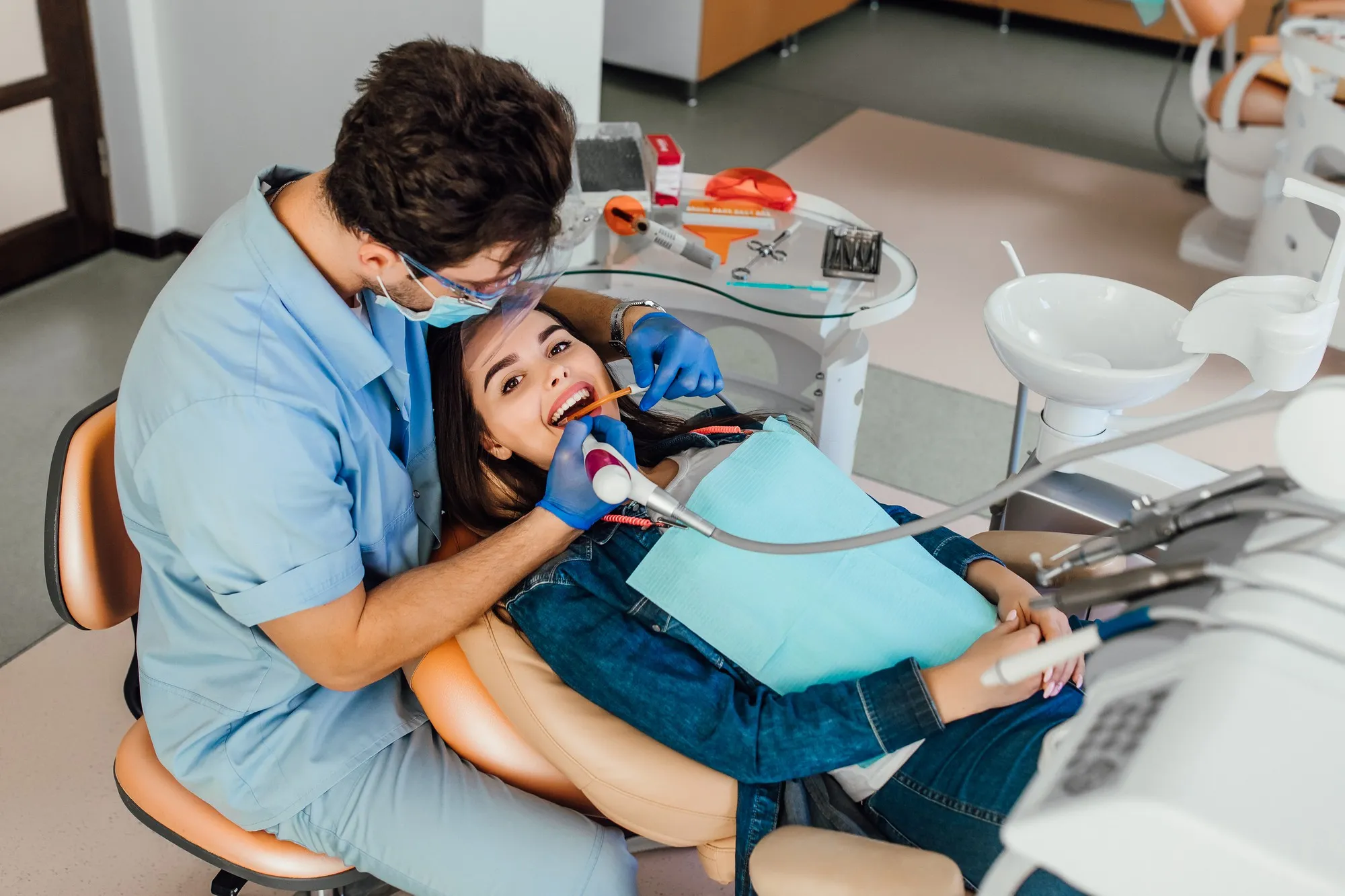
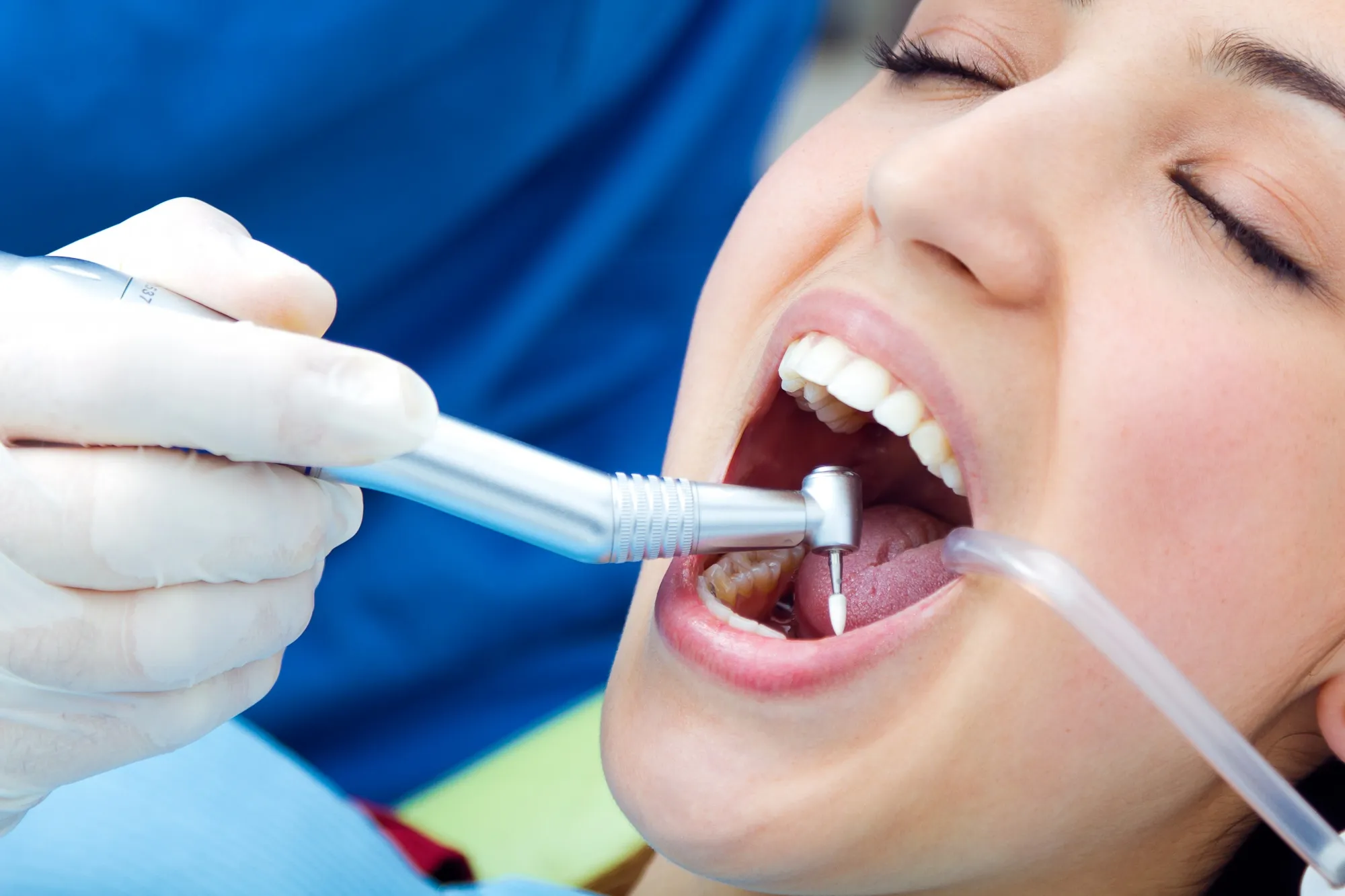
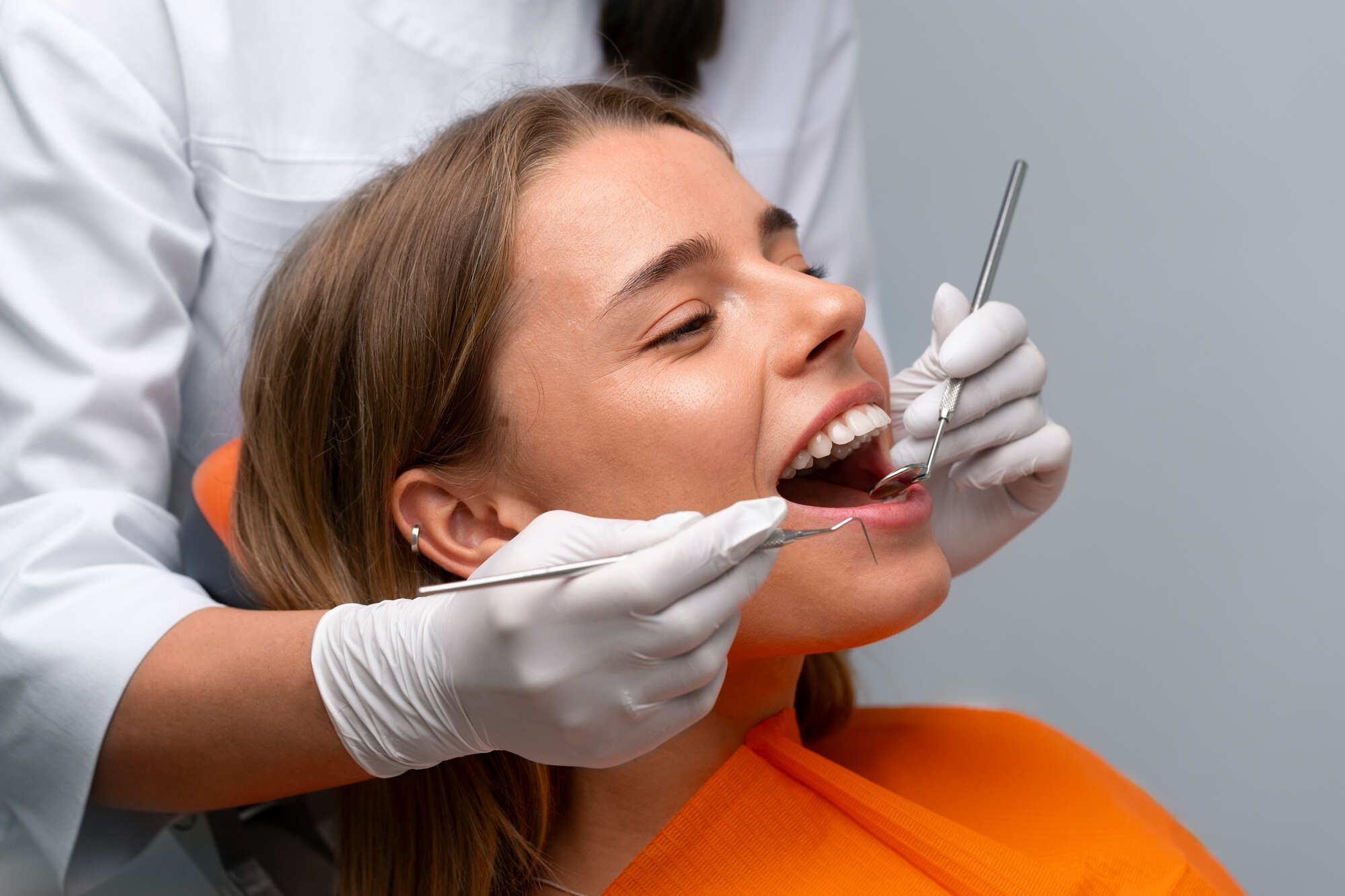
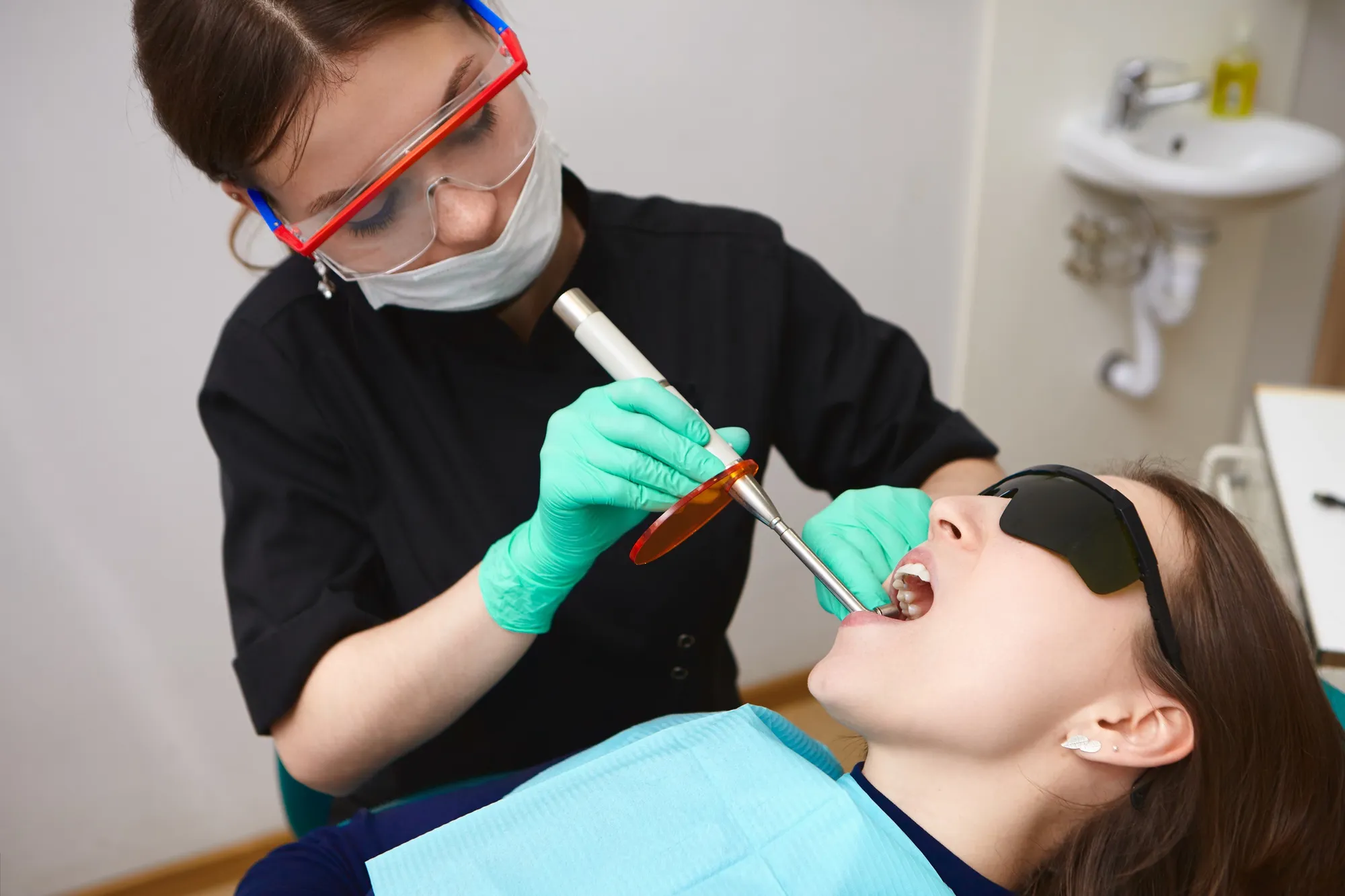
The process is quick and simple. The dentist near you cleans the tooth, dries it, and then paints on the sealant. A special light helps it harden.
There is no drilling or pain. The tooth stays strong and protected after the sealant is in place.
How Do Sealants Help Prevent Cavities?
Sealants form a thin layer over the tooth that blocks food and germs from sticking. That layer helps lower the chance of getting cavities.
Using sealants along with brushing and flossing gives extra protection. They are part of smart care for long-term health.
Do Sealants Work With Daily Brushing?
Yes. Sealants do not take the place of brushing or flossing. They support your daily routine to keep your teeth clean. To stay fully protected, follow good habits and visit a dental office in Clearwater often to make sure the sealants are still working well.
Can Sealants Help With Enamel Protection?
Yes. Sealants help stop acid and bacteria from wearing down the tooth surface. That extra layer keeps enamel strong and lowers the chance of cavities.
Adding sealants is one of the enamel protection habits that can keep your teeth healthy for years.
Are Sealants Part Of Gum Disease Prevention?
Sealants help stop food from getting stuck in hard-to-clean spots. That extra protection lowers the chance of gum problems caused by trapped food and plaque.
Along with brushing and flossing, sealants support gum disease prevention tips that keep your mouth clean and healthy.
Want To Keep Cavities Away With A Simple Step?
Sealants are a smart way to protect teeth from decay. They are quick, safe, and last for years.
A dental office near you can check your child’s teeth and apply sealants before problems start.
Jeffrey Ellenberg DMD PA offers gentle care and clear advice for every age. Book your appointment today and give your family a strong start toward a cavity-free smile.
Get directions to Jeffrey Ellenberg DMD PA and protect your teeth with pit and fissure sealants in Clearwater today.
FAQs
How long do dental sealants last?
Sealants can last up to 10 years. Your dentist will check them during regular visits and replace them if needed.
Does getting sealants hurt?
No. The process is quick and painless. There is no drilling or numbing needed.
Do sealants replace brushing and flossing?
No. You still need to brush and floss every day. Sealants add extra protection but do not replace daily care.
How effective are sealants at preventing cavities?
Sealants can lower the risk of cavities by up to 80% in back teeth. They are a strong tool for prevention.